
Smoking and Bone Health
Smoking is a Risk Factor for Osteoporosis
Many of the health problems caused by tobacco use are common knowledge. The Center for Disease Control reports that smoking-related illnesses cost the US $75 billion in health care each year. Smoking causes heart disease, lung and throat cancer and chronic lung disease. Most of the research on bone density and fractures has also shown smoking as a risk factor for osteoporosis.
Smoking was first identified as a risk factor for osteoporosis more than 20 years ago. Later studies demonstrated a direct relationship between tobacco use and decreased bone density.
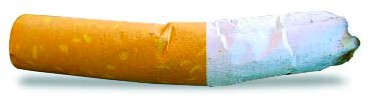
The majority of research has focused on women. However, studies in men have identified smoking as a risk factor for low bone density in them too. Significant bone loss has been found in older women and men with prolonged smoking exposure. In addition, a relation-ship between smoking and low bone density in adolescence and early adulthood has been identified.
Lifestyle Factors
It has been suggested that differences in bone density between smokers and non-smokers may be due to other lifestyle factors. For instance, smokers are often thinner than their nonsmoking counterparts. Smokers may tend to drink more alcohol, may be less physically active and often have nutritional deficiencies. These characteristics place many smokers at an increased risk for osteoporosis apart from their tobacco consumption.
Increased Risk in Female Smokers
The anti-estrogen effect of tobacco may help explain the increased risk for osteoporosis among female smokers. Older women smokers have lower estrogen levels than nonsmokers and smokers tend to have an earlier menopause than their nonsmoking counterparts. This reduction in estrogen is likely to result in more bone loss.

Resources
On a positive note, researchers have discovered that people who quit, even later in like, may help limit smoking related bone loss. Check out these smoking cessation resources:
A Breath of Fresh Air: Independence from Smoking
Internet education and support program that focuses on smoking cessation for women. www.4woman.gov/QuitSmoking
Smokefree
Web site designed to help you quit smoking. Information can help support both your immediate and long-term needs as you become a nonsmoker. www.smokefree.gov
How to Quit
Online version of the consumer guide, “You Can Quit Smoking.” This popular Public Health Service brochure provides practical information and helpful tips for those who plan to quit. www.cdc.gov/tobacco/how2quit.htm
“Bone-up” on Exercise
Everyone knows that regular exercise improves your health and helps you feel good. Did you also know that exercise can help build strong bones? Vital at every age, exercise is important for treating and preventing osteoporosis. Not only does exercise improve your bone health, it increases muscle strength, helps with coordination/balance and leads to better overall health.
What kind of exercise strengthens bones?
The benefits of weight-bearing exercise are site-specific. This means that you strengthen only the bones used directly in the exercise. That’s why it is a good idea to participate in a variety of weight-bearing exercises.
What about exercise when I’m older?
Weight-bearing activities at any age benefit bone health. Studies link physical activity with increased bone strength in children, teens, men and women – even those 90 years of age and older!
Will exercise alone protect my bones?
Exercise alone is not enough to protect you from osteoporosis. Even if you do weight-bearing exercises regularly, failing to eat enough calcium-rich foods will weaken your bones.
Exercise Tips
What Does It Mean To Be An Orthopedic Specialist?
You may see the word “orthopedic,” or you may see it as “orthopaedic.” Actually both spellings are correct and sound the same. Orthopedics is the medical specialty devoted to the diagnosis, treatment, rehabilitation and prevention of injuries and diseases of the body’s musculoskeletal system. This complex system includes bones, joints, ligaments, tendons, muscles and nerves.
An orthopedist is a medical doctor with extensive training in the proper diagnosis and treatment of injuries and diseases of the musculoskeletal system. Their training includes:

- Four years studying at a college or university
- Four years studying at a medical school
- Five years as an orthopedic resident at a major medical center
- One optional year of specialized education
To be “Board Certified,” an orthopedist must pass extensive written and oral examinations.Each year an orthopedist spends many hours studying and attending medical courses to maintain current orthopedic knowledge and skills.