
Managing Arthritis Pain WITHOUT Pills
For some it might begin with an aching in their thumbs when opening jars. Or maybe it is stiffness in the morning getting out of bed, or a pain after sitting at a desk for a while. For millions of Americans it signals some form of arthritis. Approximately one in seven people must deal with some degree of pain from this disease.

Pain is the biggest problem with arthritis. The good news is that not all the pain with arthritis is from the disease itself. Some of the pain comes from muscles that have lost their strength because the original arthritis pain made it tough to exercise.
With this in mind, one way to reduce the pain is to exercise. Exercise, done carefully and correctly, is much more likely to help than to hurt. Exercise reduces pain and stiffness, builds strong muscles around the joints, and increases flexibility and endurance. It also promotes overall health and fitness by giving you more energy, helps you sleep better, controls your weight, and gives you more self-esteem.

Exercise Tips for People with Arthritis
- Find an exercise program you enjoy and make it a habit.
- Start slowly and have fun.
- Start strengthening exercise slowly with small weights (one or two pounds)
- Add endurance exercises, such as walking or biking
- Ease off if joints become painful, inflated or red
If you have tried exercising before, but were unsuccessful, don’t make the mistake of trying the same thing again. Do something new. Pick activities you can easily work into your day or find a friend to exercise with. That may make all the difference.
Before starting any exercise program, talk to your doctor to see what exercises are best for you.

Bone Density Testing
Bone Densitometry - What is it?
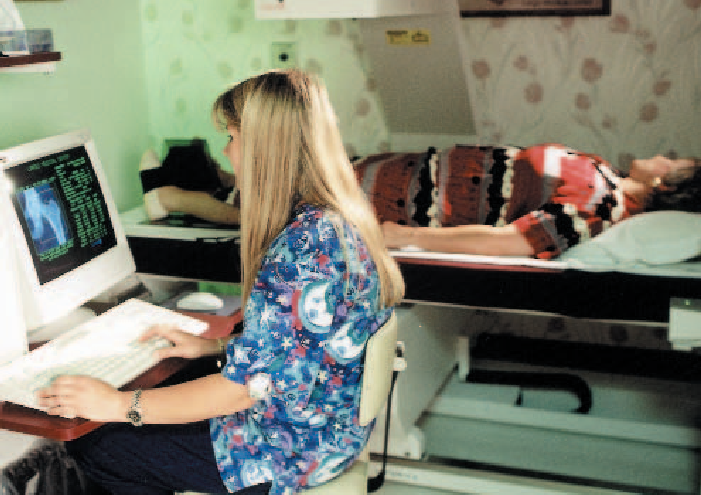
Bone densitometry is a non-surgical method of measuring bone mass. The most commonly used method for measuring bone mass is called Dual Energy X-ray Absorptiometry or DEXA. It is most often used to diagnose osteoporosis, a condition that affects women after menopause, but may also be found in men. The DEXA test can also assess your risk for developing fractures.
If your bone density is found to be low, you and your doctor can work together on a treatment plan to help prevent fractures before they occur.
Who should have it?
The test is most often administered to those at highest risk of developing osteoporosis or to monitor the effectiveness of treatment for osteoporosis.
How is it done?
To measure bone mass with a DEXA machine, the person lies on a flat padded table and remains motionless while the “arm” of the instrument passes over the whole body or over selected areas. While the measurement is performed, a beam of low dose x-ray passes through the area being measured. These x-rays are detected by a device in the instrument’s arm.
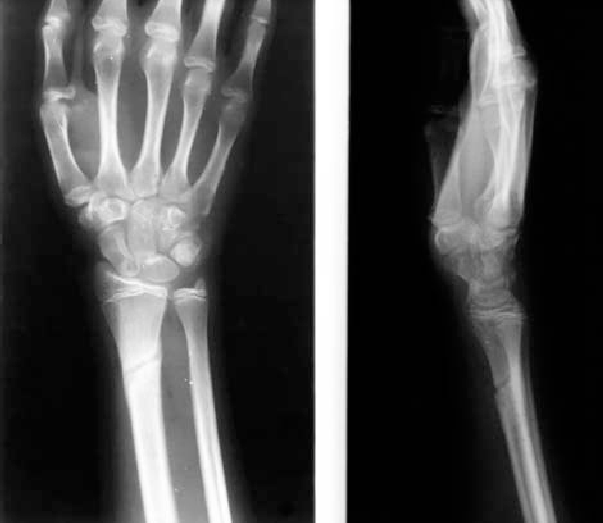
The machine converts the information received by the detector into an image of the skeleton and analyzes the quantity of bone the skeleton contains. The results are usually reported as BMD, or bone mineral density, the amount of bone per unit of skeletal area.
Is it safe?
DEXA technology is quite safe. Radiation exposure is exceedingly small. Using DEXA, a person receives less than 10% of the radiation received in a standard chest x-ray.
Does it hurt?
Bone densitometry is not painful. There is no needle involved and x-rays can’t be felt as they pass through the body. The hardest part is remaining still for the minute or so when the measurement is performed.
Osteoporosis Management Strategies
- Quit smoking
- Eat a well-balanced diet rich in calcium and vitamin D
- Exercise for bone health
- Avoid excessive use of alcohol
- Talk to your doctor about a bone density test